


A toothache can be surprisingly hard to figure out. Sometimes the cause is obvious: you bite down and suddenly feel a sharp pain in one tooth. Other times, you may have a dull ache that comes and goes, sensitivity to cold, or pain that seems to move around your mouth.
Tooth pain can have many different causes, and the type of pain you’re experiencing can sometimes provide clues about what’s going on.
Common Reasons Why Your Tooth Hurts
1. Tooth Decay
Cavities don’t always hurt when they first develop. In fact, early tooth decay can be completely painless.
As decay progresses deeper into the tooth, however, you may begin to notice sensitivity to cold, heat or sweets. Eventually, a cavity can cause a persistent toothache or pain when chewing.
Catching decay early generally means the tooth can be treated more conservatively, often with a simple filling.
2. Tooth Sensitivity
Does your tooth hurt when you drink something cold, eat ice cream or even breathe in cold air?
Tooth sensitivity can happen when the inner part of the tooth becomes less protected. This may be related to worn enamel, gum recession, exposed tooth roots, tooth decay or other dental problems.
Some sensitivity is relatively minor, but new or worsening sensitivity is worth mentioning to your dentist particularly if it affects only one tooth.
3. A Cracked or Broken Tooth
Teeth can develop cracks from an injury, biting something unexpectedly hard, grinding or clenching, or simply from years of use.
A cracked tooth may cause a sharp pain when you bite or release your bite. You may also notice sensitivity to hot and cold.
Some cracks are easy to see, while others can be surprisingly difficult to identify without a dental examination.
Treatment depends on where the crack is located and how much of the tooth is affected. Depending on the situation, treatment might involve a filling, crown, root canal or another approach.
4. An Infected Tooth
If decay or damage reaches the pulp (the soft tissue inside your tooth containing nerves and blood vessels) the tooth can become inflamed or infected.
Pain from an infected tooth may be severe, throbbing or persistent. You might also experience prolonged sensitivity to hot or cold, pain when biting, swelling, or tenderness around the tooth.
In some cases, an infected tooth can be saved with root canal treatment. During a root canal, the infected or inflamed tissue is removed from inside the tooth and the area is cleaned and sealed.
5. Gum Problems
Sometimes what feels like a toothache isn’t actually coming from the tooth itself.
Inflamed or infected gums can cause soreness and tenderness around your teeth. Gum recession can also expose portions of the tooth root, making teeth more sensitive.
Regular dental examinations and cleanings help us monitor both your teeth and your gums, because keeping your gums healthy is an important part of keeping your teeth healthy too.
6. Grinding or Clenching Your Teeth
If several teeth feel sore, particularly when you wake up in the morning, grinding or clenching may be contributing.
Clenching can put significant pressure on your teeth and the muscles surrounding your jaw. Some people also experience jaw soreness, headaches or increased tooth sensitivity.
And you may not even realize you’re doing it. Many people grind or clench their teeth while sleeping.
7. A Problem With a Filling or Crown
A tooth that has already been treated can occasionally begin hurting again.
A filling may become worn or damaged over time, or decay can sometimes develop around an existing restoration. A crown can also become loose or develop problems underneath it.
If a previously treated tooth suddenly feels different, it’s a good idea to have it checked.
8. Wisdom Teeth
Wisdom teeth can cause pain when they’re erupting, impacted or difficult to keep clean.
You may notice discomfort toward the very back of your mouth, swollen or tender gums, pressure, or pain when chewing.
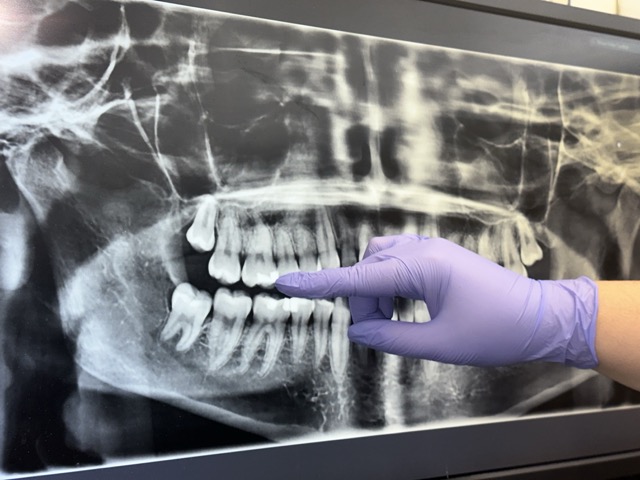
Not every wisdom tooth needs to be removed. Your dentist can examine the area and use dental X-rays when appropriate to determine what’s happening beneath the gums.
Can a Toothache Go Away on Its Own?
Sometimes tooth pain does disappear, but that doesn’t necessarily mean the underlying problem has resolved.
Minor sensitivity or temporary irritation may settle down. But pain caused by decay, a crack or infection generally needs dental treatment.
It’s particularly important not to ignore a severe toothache simply because it suddenly stops hurting. In some cases, the nerve inside a badly damaged or infected tooth can stop functioning while the infection remains.
When Should I See a Dentist for Tooth Pain?
If your tooth pain is persistent, worsening, keeps returning or is interfering with eating or sleeping, it’s time to have it examined.
Seek prompt dental or medical attention if tooth pain is accompanied by significant facial swelling, fever, difficulty swallowing or difficulty breathing.
The sooner we can determine what’s causing the pain, the more options we may have for treating the tooth.
Have a Toothache in Nanaimo?
If something in your mouth doesn’t feel right, you don’t have to diagnose it yourself.
At Metral Dental, in North Nanaimo, we’ll examine the area, talk with you about what you’ve been experiencing and explain what we find. From there, we can discuss your treatment options and help you decide what makes sense for you.
Whether it’s a sensitive tooth, a cavity, a cracked tooth or something else entirely, we’d rather you ask than sit at home wondering why your tooth hurts.


