


Pregnancy comes with plenty of questions about what’s safe and dental care is often one of them. Can you have your teeth cleaned while pregnant? What about a filling, dental X-ray or local anesthetic? And is there a safest trimester for dental work?
The good news is that looking after your teeth and gums remains important during pregnancy, and being pregnant doesn’t mean you should avoid the dentist.
Here’s what you should know about dental care during pregnancy.
Is It Safe To Go To the Dentist While Pregnant?
Yes. Routine dental care is an important part of maintaining your health during pregnancy.
The Public Health Agency of Canada recommends having your teeth cleaned and your oral health checked during pregnancy, preferably beginning in the first trimester. Be sure to let your dentist and dental hygienist know that you’re pregnant and tell them about any medications or supplements you’re taking.
If you develop a toothache, swelling, infection or another urgent dental problem, don’t put off contacting your dentist simply because you’re pregnant. Necessary dental problems should be assessed rather than allowed to become more serious.
What Is the Safest Trimester for Dental Work?
For non-urgent dental treatment such as fillings, the second trimester is generally considered the preferred time. By then, the first trimester has passed, and many patients are also more comfortable in the dental chair than they may be later in pregnancy.
However, that doesn’t mean necessary dental treatment must always wait until the second trimester. Urgent problems such as dental infections, significant pain or other conditions requiring prompt treatment should be assessed when they occur.
Your dentist can determine what needs to be treated now and what, if anything, can reasonably wait.
Can I Have My Teeth Cleaned While Pregnant?
Yes. Regular dental cleanings can be particularly helpful during pregnancy.
Changes in estrogen and progesterone can make gum tissue more sensitive to plaque bacteria. Some pregnant patients develop pregnancy gingivitis, causing gums to become red, swollen, tender or more likely to bleed when brushing and flossing.
Good brushing, daily cleaning between the teeth and professional dental care can help keep your gums healthy throughout pregnancy.
Are Dental X-Rays Safe During Pregnancy?
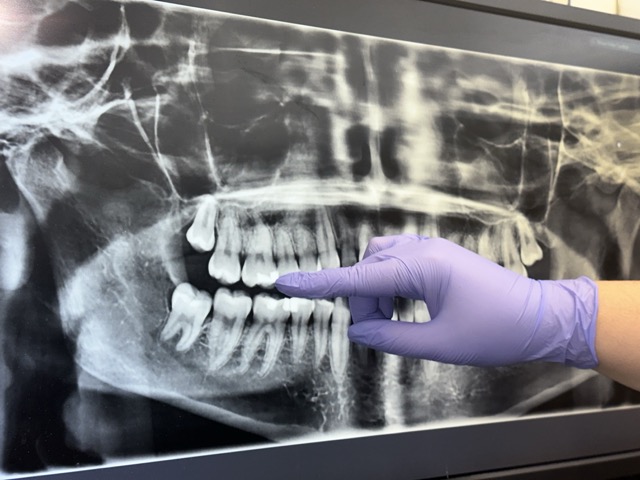
Dental X-rays are used when your dentist needs information that can’t be obtained through a visual examination alone.
Canadian public-health guidance recommends avoiding routine dental X-rays during pregnancy and taking them when they are necessary for an emergency. If an X-ray is required, appropriate precautions are taken to minimize radiation exposure.
It’s important to tell your dental team if you are pregnant or think you might be pregnant before having dental X-rays.
If an X-ray isn’t necessary right away, your dentist may decide it can wait. If imaging is needed to diagnose an urgent dental problem, however, your dentist will weigh the need for the X-ray against the risks of leaving the condition undiagnosed.
Can You Have Local Anesthetic or “Freezing” While Pregnant?
Local anesthetic can be used for necessary dental treatment during pregnancy. Professional dental and obstetric guidance supports the use of commonly used local anesthetics when clinically appropriate.
Always tell your dentist that you’re pregnant. Your dentist will consider your stage of pregnancy, medical history and the treatment required when deciding which medications and anesthetics are appropriate for you.
What About Fillings, Root Canals and Extractions?
Necessary dental treatment shouldn’t automatically be postponed because of pregnancy.
A cavity that can safely wait may be scheduled for the second trimester or another appropriate time. But an infected tooth, severe toothache or other urgent condition may need to be treated sooner.
Depending on the situation, treatment during pregnancy can include:
- Dental fillings
- Treatment for gum disease
- Root canal treatment
- Tooth extraction
- Treatment of dental infections
The goal is always to balance appropriate dental treatment with the health and comfort of both the pregnant patient and developing baby.
Why Do Gums Bleed More During Pregnancy?
Bleeding gums are surprisingly common during pregnancy.
Hormonal changes can exaggerate the way gum tissue responds to plaque, making the gums more prone to redness, swelling and bleeding. This is often called pregnancy gingivitis.
Don’t stop brushing or flossing because you see a little blood. Continue cleaning gently and thoroughly, particularly along the gumline.
If your gums are persistently swollen, painful or bleeding heavily, let your dentist or hygienist know.
Morning Sickness Can Affect Your Teeth Too
Frequent vomiting exposes your teeth to stomach acid, which can temporarily soften and weaken tooth enamel.
After vomiting, don’t immediately brush your teeth. Instead, rinse your mouth with water or a fluoride mouthwash and wait at least 30 minutes before brushing. This gives the acidity in your mouth time to decrease before your toothbrush contacts the enamel.
If morning sickness is making brushing difficult, a smaller toothbrush head or a mild, low-foaming toothpaste may also be more comfortable.
Looking After Your Teeth During Pregnancy
A few simple habits can help protect your oral health throughout pregnancy:
- Brush twice a day for at least two minutes with fluoride toothpaste.
- Floss or clean between your teeth every day.
- Keep up with recommended dental exams and professional cleanings.
- Limit frequent sugary foods and drinks.
- Rinse your mouth after vomiting and wait before brushing.
- Tell your dental team that you’re pregnant and about any medications you’re taking.
Dental Care During Pregnancy in Nanaimo
Pregnancy is a time when taking care of yourself matters, and that includes your teeth and gums.
If you’re pregnant and due for a dental checkup, experiencing bleeding gums or have a tooth that’s bothering you, Metral Dental, in North Nanaimo, can assess your oral health and help determine what treatment is appropriate and when it should be completed.
If you’re ever unsure whether a dental procedure can wait until after pregnancy, ask us. We’d much rather help you make an informed decision than have you spend months worrying about a dental problem.
Sources & Further Reading
- Public Health Agency of Canada: Oral Health and Pregnancy
- American Dental Association: Pregnancy and Dental Care
- American College of Obstetricians and Gynecologists: Oral Health Care During Pregnancy and Through the Lifespan


