
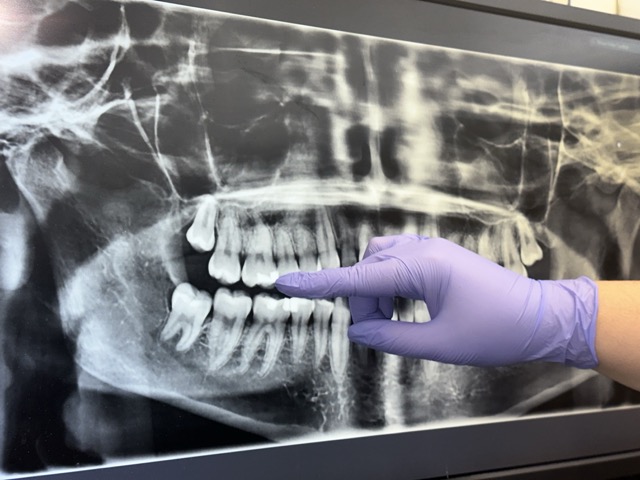



Healthy gums don’t usually get much attention. They don’t hurt, they don’t bleed, and most of us don’t think about them nearly as much as our teeth. But your gums and the bone underneath them are what help keep your teeth firmly in place.
The good news is that a few everyday habits can make a big difference.
Brush the Gumline, Not Just Your Teeth
Brushing twice a day is important, but technique matters too. Plaque tends to collect where your teeth meet your gums, so make sure you’re gently brushing along the gumline rather than concentrating only on the surfaces of your teeth.
A soft-bristled toothbrush is usually all you need. Scrubbing harder doesn’t mean you’re cleaning better and can actually irritate your gums.
Clean Between Your Teeth
Your toothbrush simply can’t reach everywhere.
Cleaning between your teeth once a day helps remove plaque from areas your toothbrush misses. Traditional floss is one option, but it isn’t the only one. Floss picks, interdental brushes and water flossers can all be useful depending on your teeth and what you’ll actually use consistently. Flossing does matter!
Don’t Ignore Bleeding Gums
If you’ve just started flossing again after a long break, you may notice some bleeding at first. But gums that bleed regularly shouldn’t simply be accepted as normal.
Bleeding can be an early sign of inflammation or gum disease and is worth mentioning at your next dental visit. For more information check out our blog post "Why Do My Gums Bleed When I Floss?"
Keep Up with Professional Cleanings
Once plaque hardens into tartar, you can’t brush or floss it away at home. That’s where professional dental cleanings come in.
How often you need a cleaning isn’t necessarily the same for everyone. Your dental hygienist may recommend a schedule based on your gum health, how quickly you develop buildup and whether you have a history of gum disease.
Know Your Risk Factors
Smoking, diabetes, dry mouth, certain medications, genetics and hormonal changes can all affect gum health. Some of these factors are within your control and others aren’t.
That’s another reason regular dental visits matter. Good gum care isn’t necessarily a one-size-fits-all routine.
What Do Healthy Gums Look Like?
Healthy gums are generally firm and fit snugly around your teeth. They shouldn’t regularly bleed when you brush or clean between your teeth.
If you’ve noticed bleeding, swelling, recession, persistent bad breath or changes around your teeth, have them checked rather than waiting for them to hurt. Contact us at Metral Dental to book an appointment.
If you have concerns about gum disease, you can read more about it on our "Do I Have Gum Disease?" post.


