
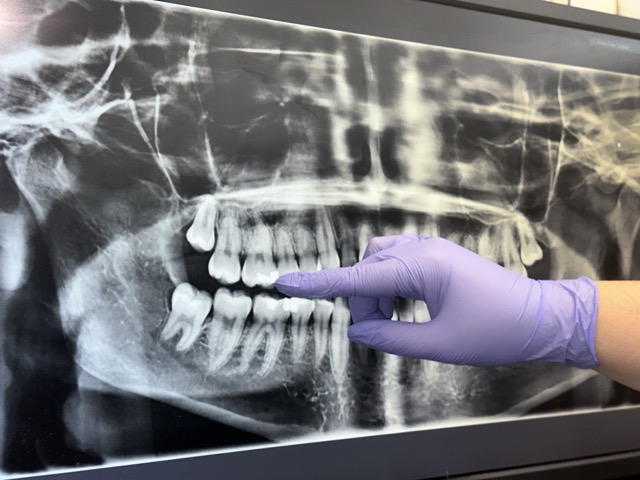



Cavities can develop surprisingly early, sometimes not long after a child’s first teeth appear.
Tooth decay in babies and preschool-aged children is often called early childhood caries. While cavities are largely preventable, they remain a significant oral health problem for young children in Canada.
In fact, treatment of serious dental problems under general anesthesia accounts for about one-third of day surgeries performed on Canadian children between the ages of one and five.
How Do Young Children Get Cavities?
Cavities develop when bacteria in the mouth interact with sugars from foods and drinks and produce acids that attack tooth enamel.
For young children, it’s not only how much sugar they consume that matters. How often their teeth are exposed to sugar matters too.
Sipping milk, juice or sweetened drinks often throughout the day gives the teeth repeated exposure. Frequently sucking on hard candy or lollipops allows teeth to bathe in sugar for longer periods. Going to bed with a bottle containing anything other than water can also be particularly hard on teeth because saliva production decreases during sleep.
Baby Teeth Can Get Cavities Quickly
Baby teeth have thinner enamel than permanent teeth, which can make decay progress more quickly.
Early tooth decay may first appear as white spots or lines on the teeth, particularly near the gumline. As decay progresses, teeth may develop brown or dark areas, visible holes or sensitivity.
A young child may not be able to tell you that a tooth hurts, so changes in eating, sleeping or behaviour can sometimes be signs that something is wrong.
Why Treat a Cavity in a Tooth That’s Going to Fall Out?
Baby teeth may be temporary, but they’re important.
Untreated decay can cause pain and infection and can make eating or sleeping difficult. Some baby teeth also remain in a child’s mouth until around age 12, and they help maintain space for the permanent teeth developing underneath them.
How Can Parents Help Prevent Cavities?
A few everyday habits make a big difference:
- Brush twice a day with fluoride toothpaste beginning when the first tooth appears.
- Use a smear about the size of a grain of rice for children under three and a pea-sized amount from ages three to six.
- Help your child brush rather than expecting young children to do a thorough job themselves.
- Offer water between meals rather than allowing children to frequently sip sugary drinks.
- Avoid putting a child to bed with a bottle containing milk, formula, juice or another sweetened drink.
- Have your child’s teeth checked regularly by a dentist.
Don’t Wait For a Toothache
The Canadian Dental Association recommends a child’s first dental assessment within six months of the first tooth appearing or by their first birthday.
Early dental visits aren’t simply about finding cavities. They give parents a chance to talk about fluoride, brushing, eating and drinking habits and their child’s individual risk of tooth decay.
Concerned About a Cavity?
If you notice white, brown or dark spots on your child’s teeth, a visible hole, swelling, or signs that eating or brushing is uncomfortable contact Metral Dental for a checkup and exam.
Catching tooth decay early can mean simpler treatment and ideally, good preventive habits can help stop cavities from developing in the first place.
Further Reading:
Canadian Dental Association: CDA Position on Early Childhood Caries


