


How to Brush Your Teeth Properly
Brushing your teeth is something you do every day, but it’s easy to rush through it or miss the same spots each time. A few small adjustments can help you clean more thoroughly while protecting your teeth and gums.
How Often Should You Brush? And For How Long?
The Canadian Dental Association (CDA) recommends brushing twice a day for at least two minutes. Use a soft-bristled toothbrush and fluoride toothpaste, and take enough time to clean the outside, inside, and chewing surfaces of every tooth.
A timer can help you avoid cutting your routine short. Try dividing your mouth into four sections and spending about 30 seconds on each.
How to Brush With a Manual Toothbrush
Good brushing is about careful coverage and gentle pressure. Here’s how to make each session count:
- Angle the bristles toward your gumline. Hold your toothbrush at about a 45-degree angle where your teeth meet your gums.
- Use short, gentle movements. Clean a few teeth at a time with small circular or short back-and-forth strokes. Avoid scrubbing forcefully across your whole mouth.
- Clean every surface. Brush the outer surfaces, inner surfaces, and chewing surfaces, including those hard-to-reach back teeth.
- Reach behind your front teeth. Tilt the brush vertically and use gentle up-and-down strokes to clean the inside surfaces.
- Gently brush your tongue. This helps remove bacteria that can contribute to bad breath.
When you finish, spit out the excess toothpaste without rinsing immediately with water. This lets the fluoride stay on your teeth longer.
What If You Use an Electric Toothbrush?
An electric toothbrush can make thorough brushing easier, especially if it has a timer and pressure sensor.
Guide the brush slowly along each tooth’s surfaces and gumline, allowing the brush head to do the work. Avoid adding vigorous scrubbing, and follow the instructions for your particular toothbrush.
Both manual and electric toothbrushes can clean effectively when used properly and consistently.
How NOT To Brush Your Teeth
- Brushing way too hard. Forceful brushing can contribute to gum recession and tooth wear. Use light pressure and soft bristles.
- Missing the gumline or inner surfaces. These areas need attention just as much as the teeth you see when you smile.
- Using a worn-out toothbrush. Replace your toothbrush or electric brush head about every three months, or sooner if the bristles become frayed.
- Relying on brushing alone. Clean between your teeth daily with dental floss or another tool recommended by your dental team. Toothbrush bristles cannot fully clean these spaces.
Can Brushing Remove Tartar?
Brushing helps remove plaque, which is the sticky film that builds up on teeth. When plaque hardens into tartar, also called calculus, your teeth need to be cleaned professionally at a dental hygiene appointment.
Daily brushing and cleaning between your teeth work alongside regular dental visits to help keep your mouth healthy.
Can You Brush Your Teeth Too Much?
Yes. Regularly brushing your teeth more than 3 times a day can lead to sensitive teeth, gum recession, bleeding gums, and enamel erosion.
Can My Dentist Tell How Well I Brush My Teeth?
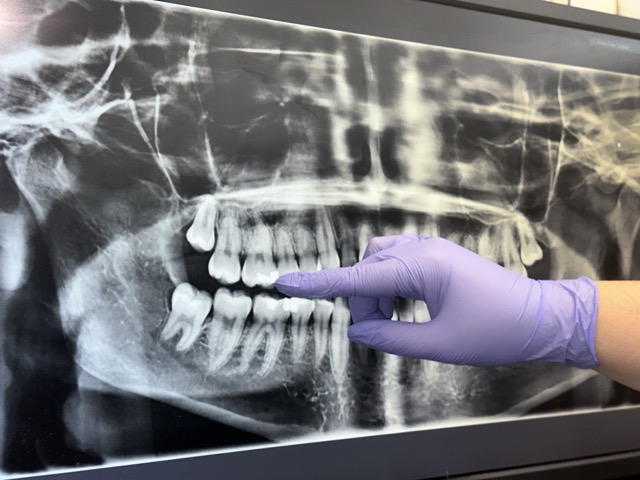
Yes, your dentist and dental hygienist can tell how often you well you brush and floss your teeth. Signs of plaque and tartar indicate how well you have been brushing and areas you might be missing. Inflamed and bleeding gums are also signs that someone is not brushing properly or isn't flossing regularly. Tooth decay and noticeable staining on the teeth may be other indications that someone is not brushing their teeth often or well enough.
Get Advice for Your Teeth and Gums
If your gums bleed regularly, your teeth feel sensitive, or you’re unsure whether your technique is working, ask us at your next appointment.
At Metral Dental in Nanaimo, our dental team can demonstrate brushing techniques, point out areas you may be missing, and help you choose tools that suit your needs. Contact us to book your next dental exam and teeth cleaning.
Canadian Dental Association (2026) "Flossing and Brushing"


